GET THE VOTE OUT – Resources

GET THE VOTE OUT – Resources

Show your support by downloading and using our campaign materials;

Vote YES posters and graphics

I’m voting YES A3 poster 

We’re voting YES A3 poster

I’m voting YES social media profile image

Use your vote!

Use your vote A5 flyer (PDF)

Use your vote graphic (jpg)

Support your Postal Worker

I support my Postal worker A3 poster (PDF)

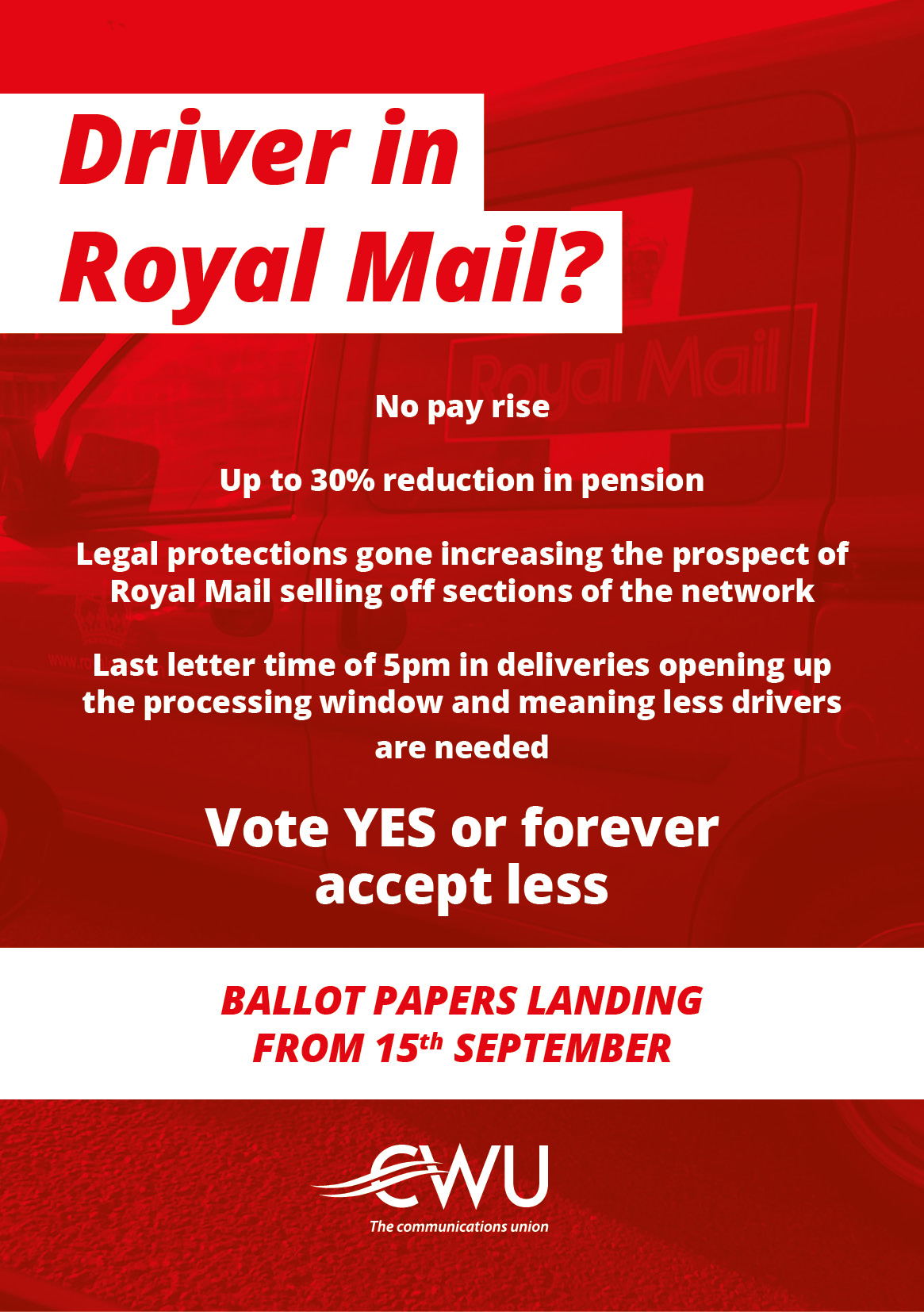
Drivers in Royal Mail?

A5 Flyer (PDF)
Graphic (jpg)

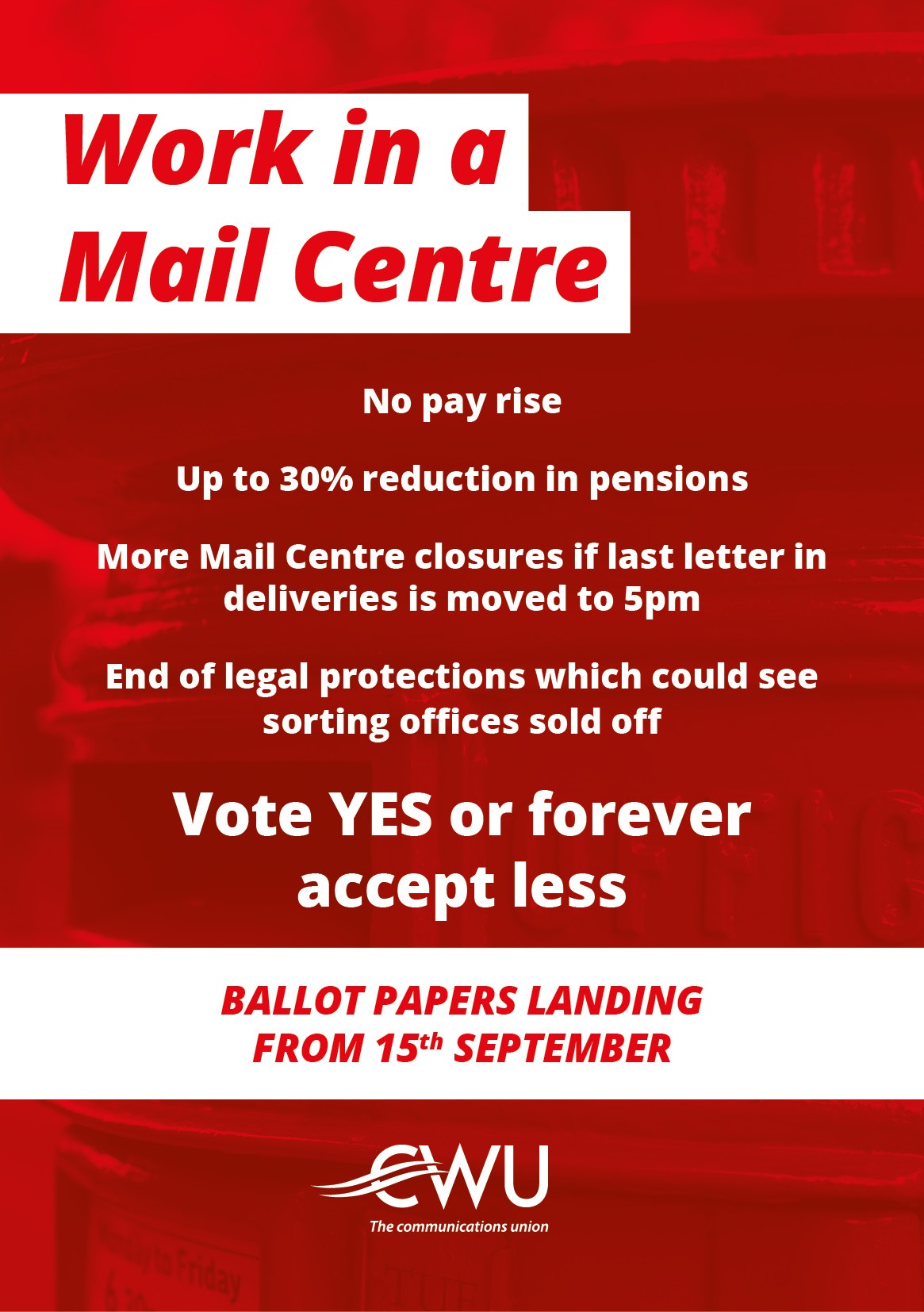
Work in a mail centre?

A5 Flyer (PDF)

Graphic (jpg)

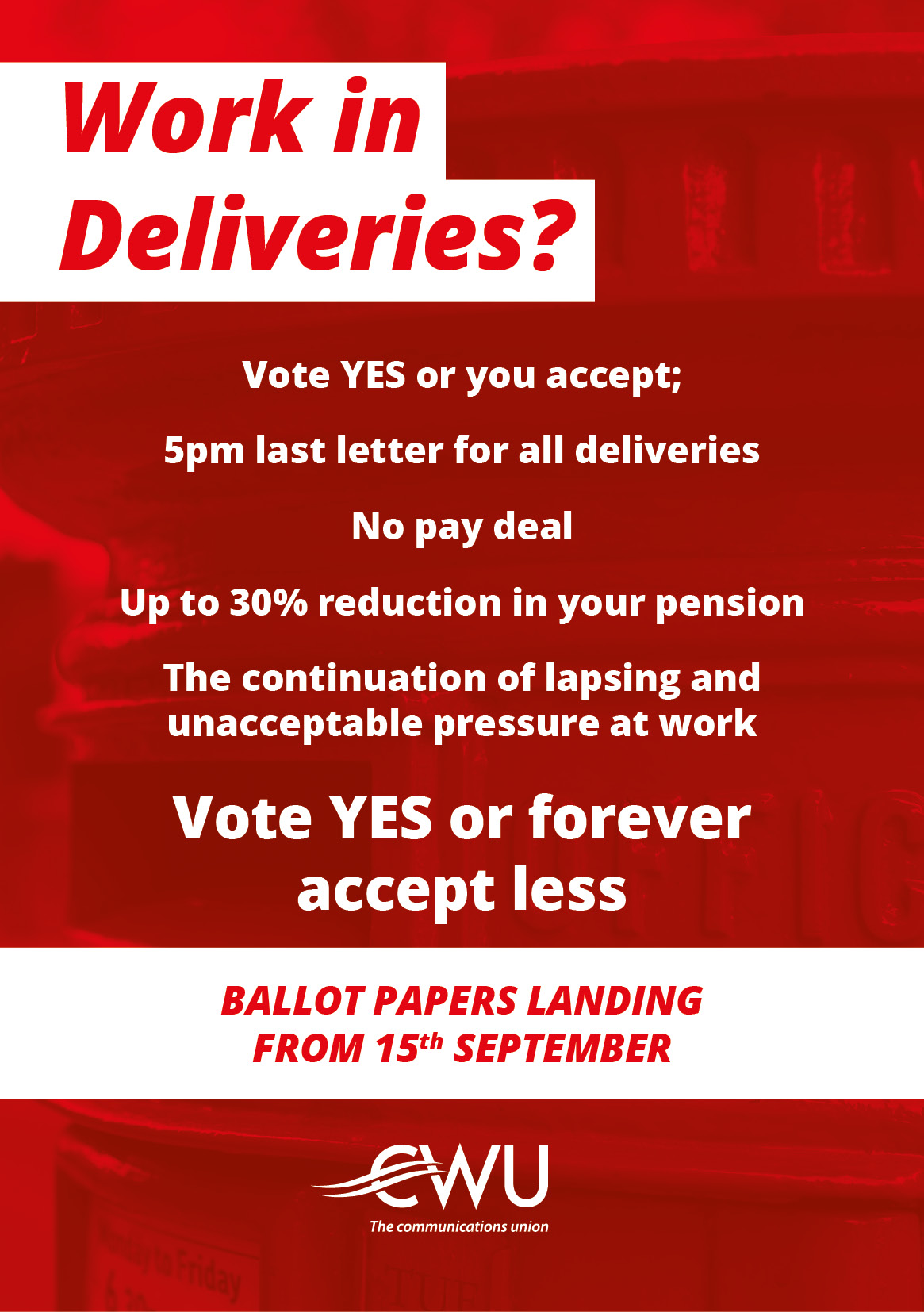
Work in deliveries?

A5 Flyer (PDF)

Graphic (jpg)

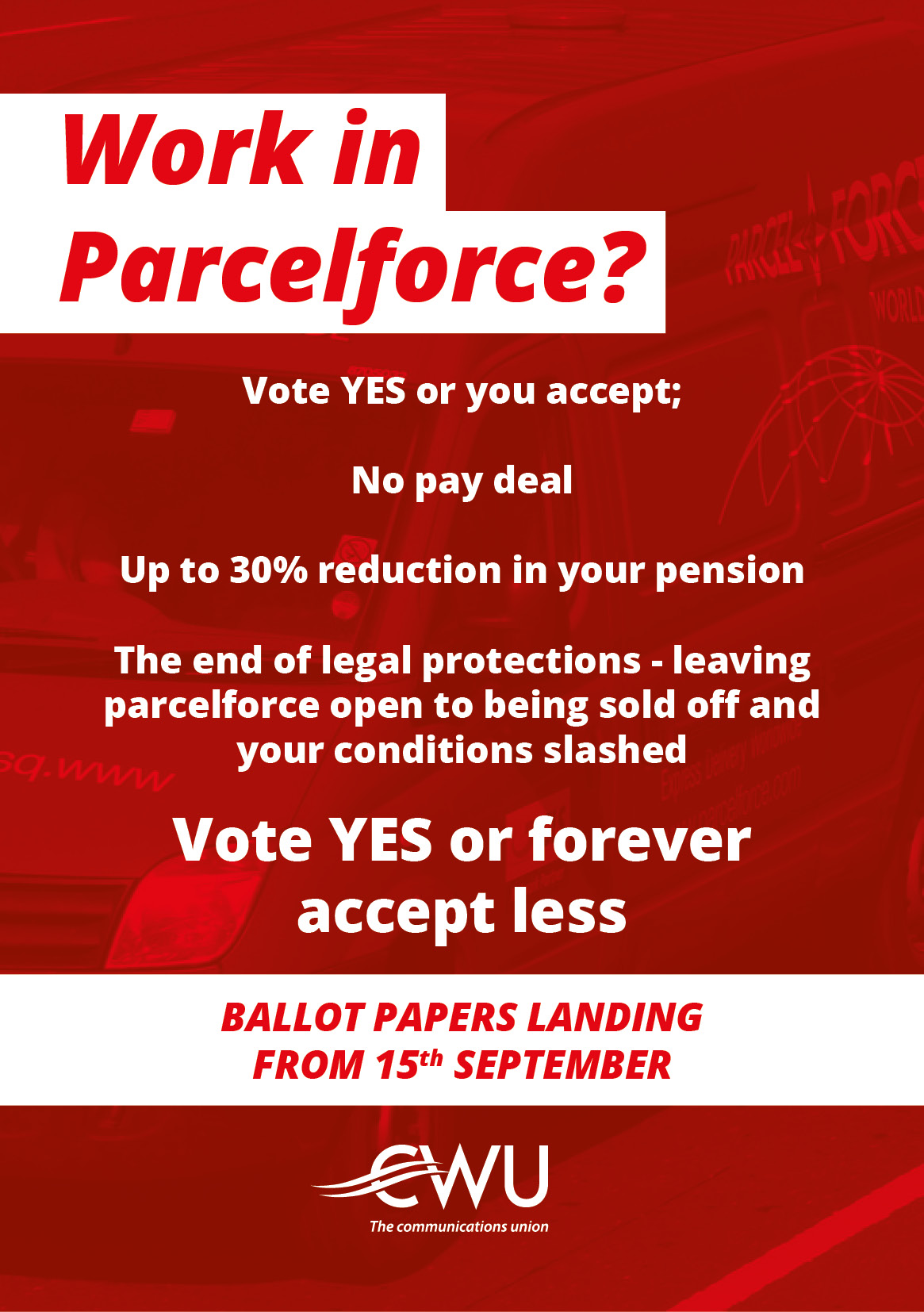
Work in Parcelforce?

A5 Flyer (PDF)

Graphic (jpg)

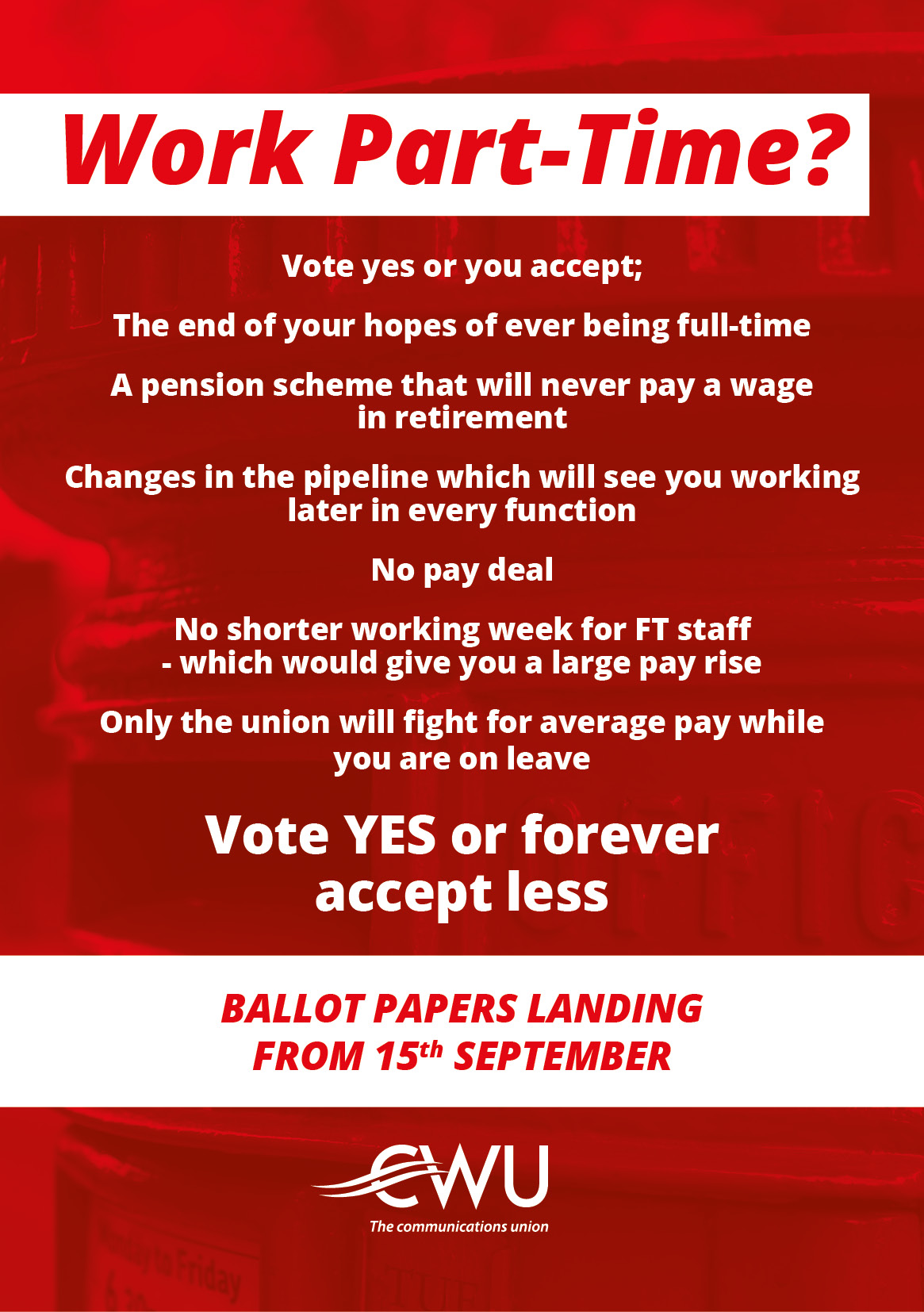
Work part time?

A5 Flyer (PDF)

Graphic (jpg)

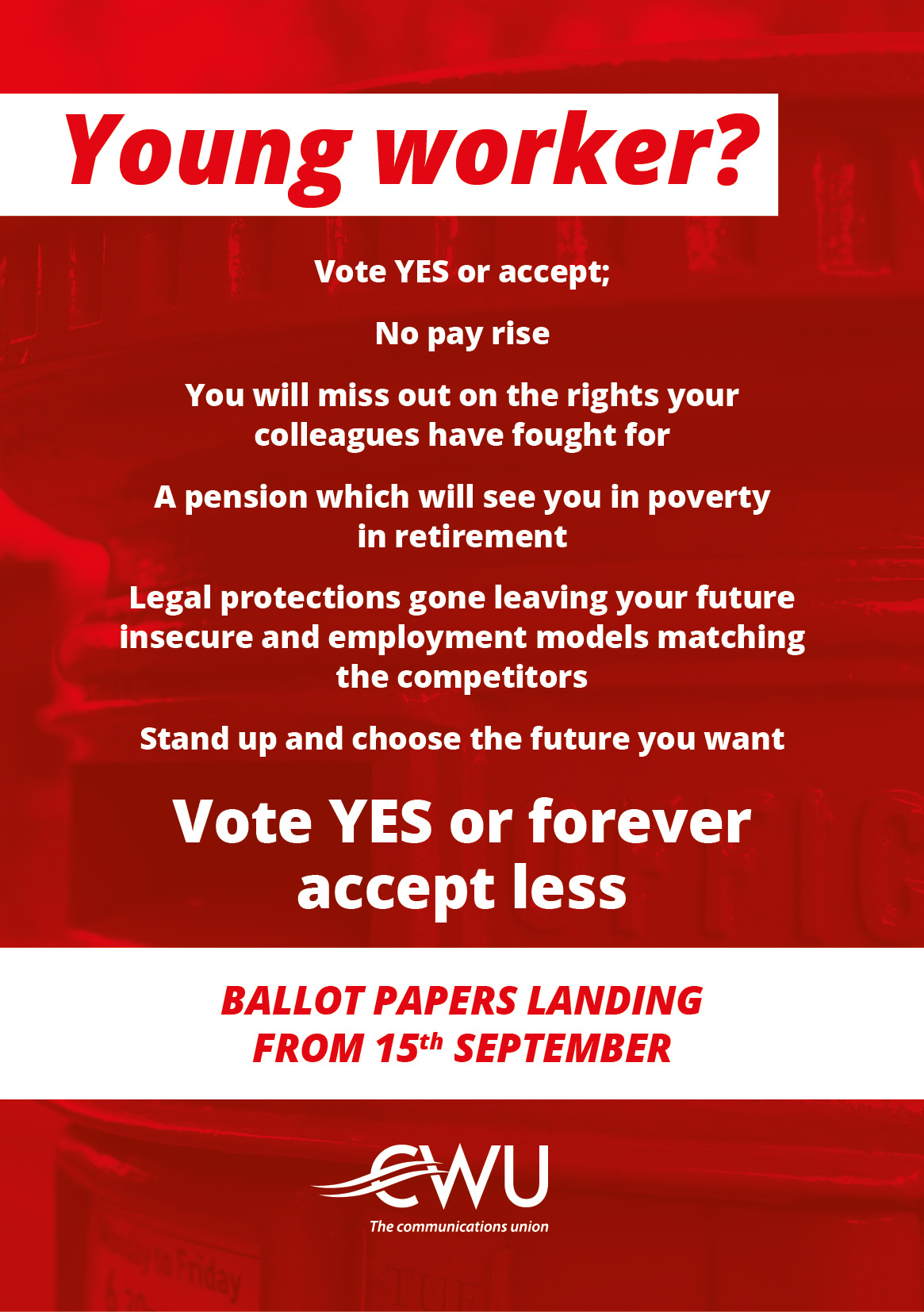
Young Worker?

A5 Flyer (PDF)

Graphic (jpg)

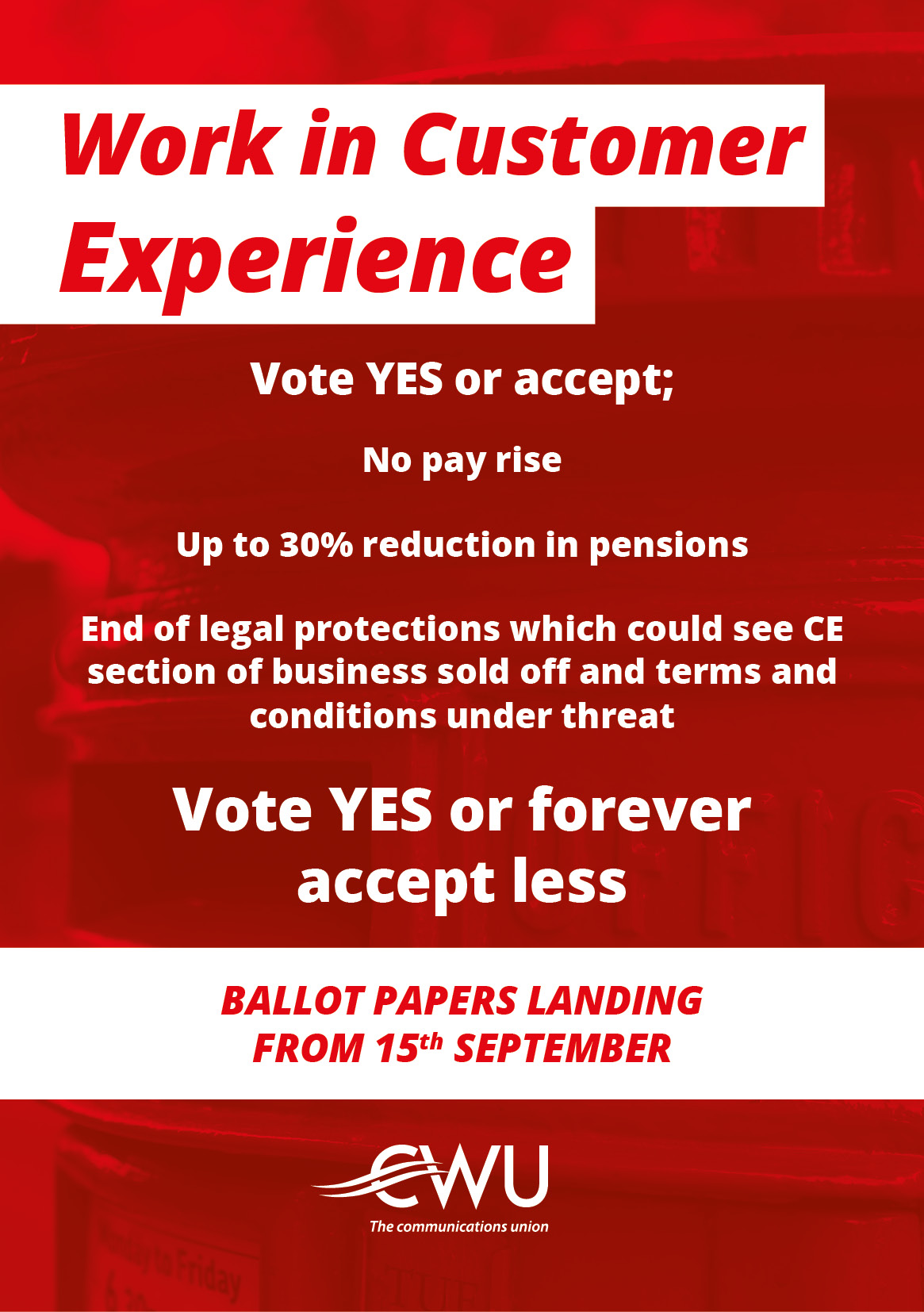
Work in customer experience?

A5 Flyer (PDF)

Graphic (jpg)

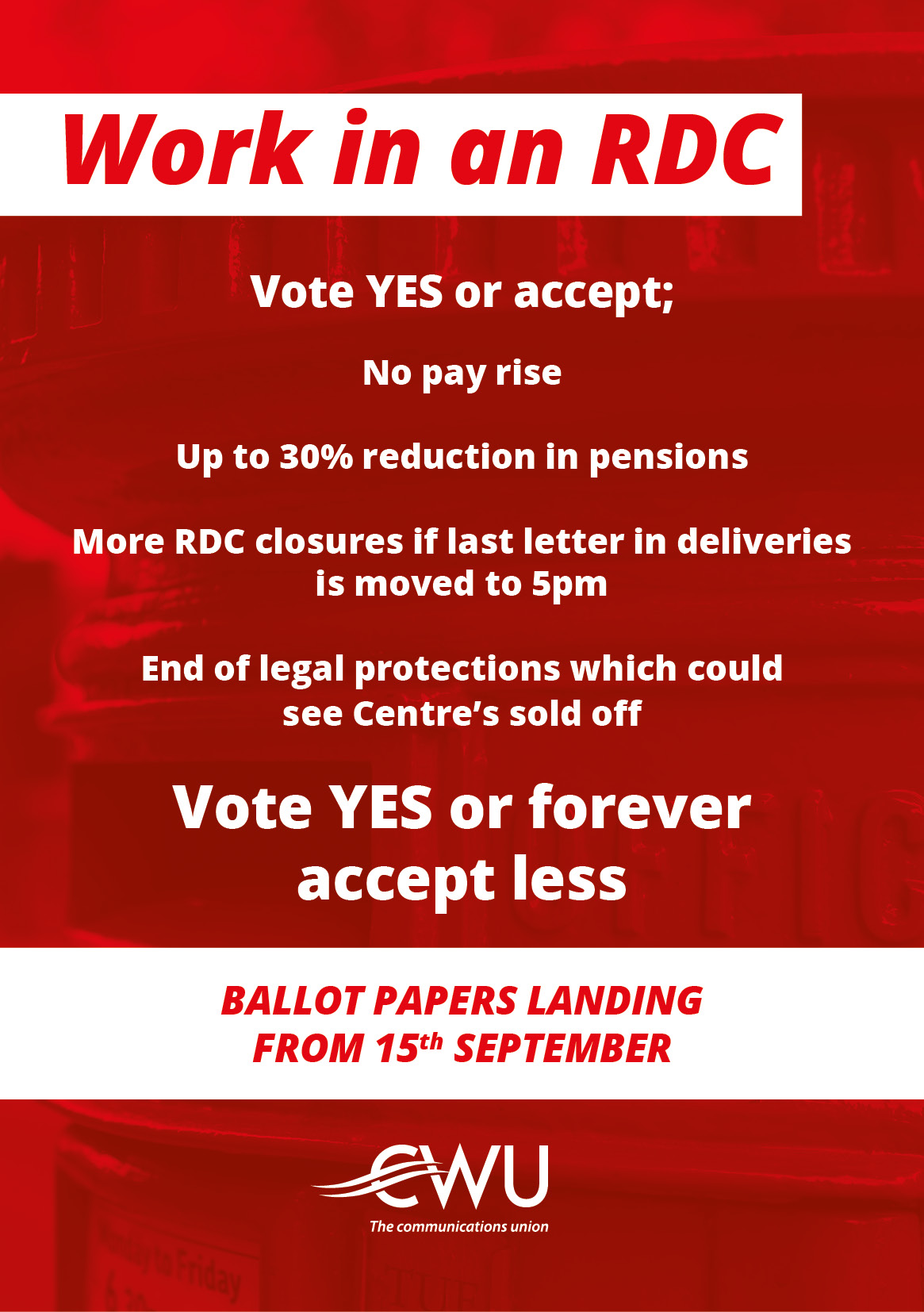
Work in an RDC?

A5 Flyer (PDF)

Graphic (jpg)

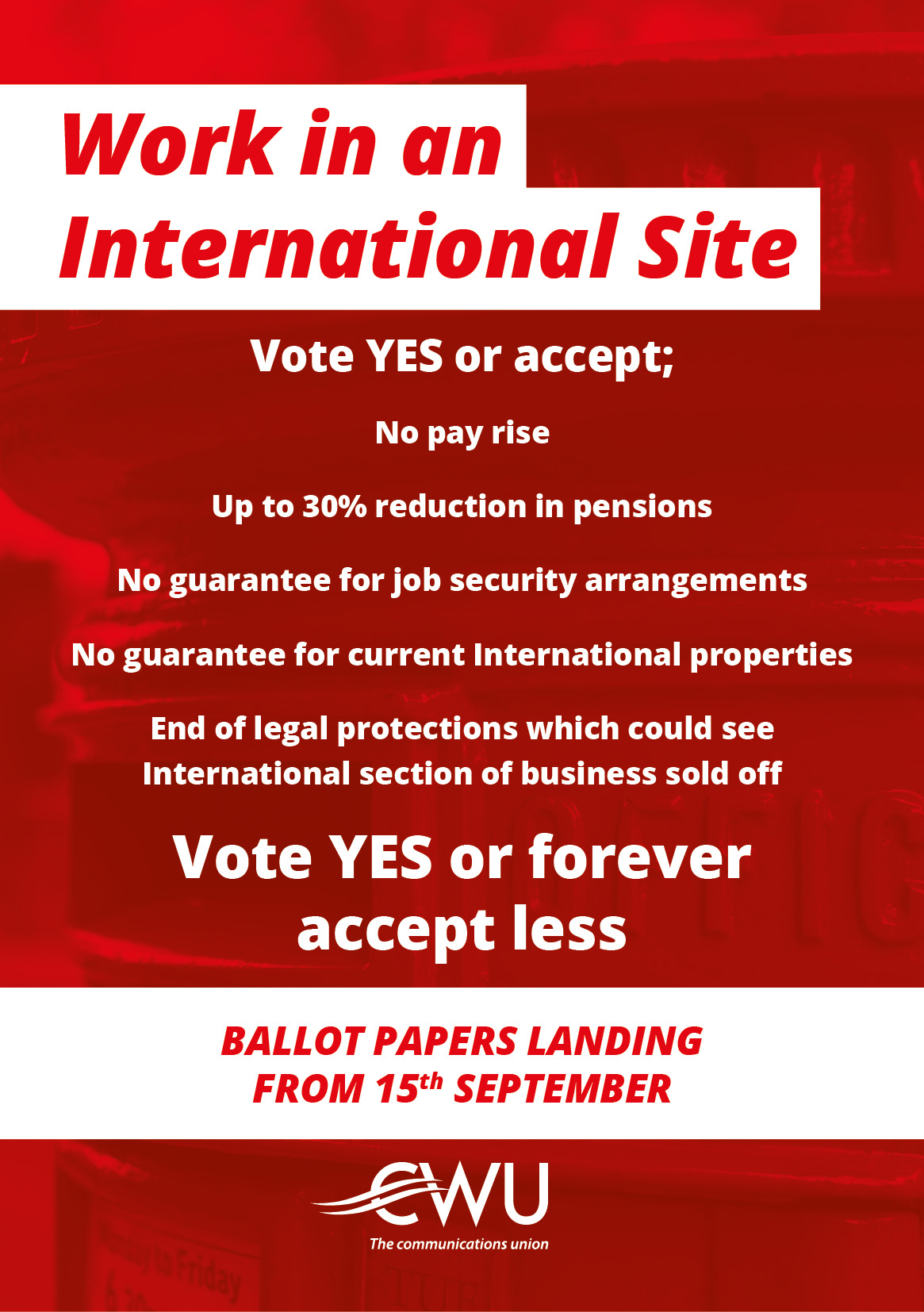
Work in an international site?

A5 Flyer (PDF)

Graphic (jpg)

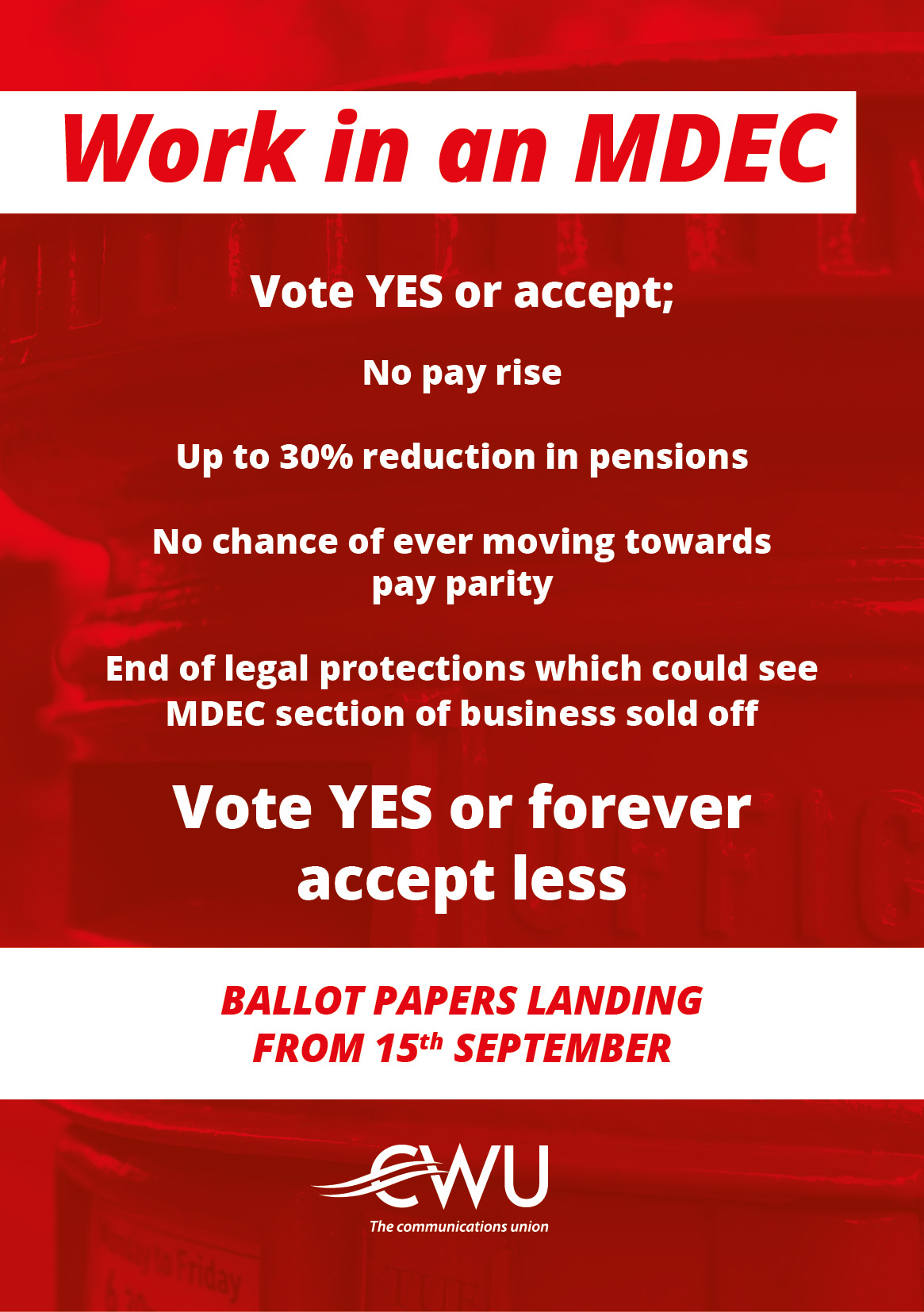
Work in an MDEC?

A5 Flyer (PDF)

Graphic (jpg)


Driver Fatigue and Road Accidents  

Driver Fatigue and Road Accidents


To: All Branches

Dear Colleagues,

Fatigue is a major contributory factor in crashes in the UK, with too little sleep radically affecting driver attention, awareness, reaction time and ability to control the vehicle.

Driver fatigue is a serious problem resulting in many thousands of road accidents each year. It is not possible to calculate the exact number of sleep related accidents but research shows that driver fatigue may be a contributory factor in up to 20% of road accidents, and up to one quarter of fatal and serious accidents.

These types of crashes are about 50% more likely to result in death or serious injury as they tend to be high speed impacts because a driver who has fallen asleep cannot brake or swerve to avoid or reduce the impact.

About 40% of sleep-related accidents involve commercial vehicles, drivers, often in the largest vehicles on our roads that can cause the most harm in a crash.

Sleepiness reduces reaction time (a critical element of safe driving). It also reduces vigilance, alertness and concentration so that the ability to perform attention-based activities (such as driving) is impaired. The speed at which information is processed is also reduced by sleepiness. The quality of decision-making may also be affected.

Experts tell us that it is clear that drivers are aware when they are feeling sleepy, and so make a conscious decision about whether to continue driving or to stop for a rest. It may be that those who persist in driving underestimate the risk of actually falling asleep while driving. Or it may be that some drivers choose to ignore the risks (in the way that drink drivers do). Studies have shown that drivers don’t fall asleep without warning. Drivers who fall asleep at the wheel have often tried to fight off drowsiness by opening a window, or by turning up the radio. This doesn’t work for long.

Signs of fatigue

Research shows normal sleep does not occur without warning, and most people recognise symptoms but underestimate the dangers of continuing to drive. Warning signs include:

• Increased difficulty concentrating;

• Yawning;

• Heavy eyelids;

• Eyes starting to ‘roll’;

• Neck muscles relaxing, making the head droop.

• ‘Microsleep’ occurs when someone nods off for a few seconds without realising orremembering it, known as head-nodding. This occurs when drivers are tired but trying to stay awake, a ‘THINK’ survey found one in three (31%) UK drivers surveyed admit having experienced a microsleep at the wheel. The driver may feel like they’ve just briefly nodded their head, but they have actually been asleep. In six seconds, a vehicle being driven at 70mph travels about 200 metres! The key facts

• Research suggests that almost 20%, 1 in 5 of crashes resulting in death on major roads are sleep or fatigue-related.

• Sleep-related accidents are more likely than others to result in a fatality or serious injury.

• Peak times for accidents are in the early hours between 2am and 6am and after lunch 2pmand 4pm.

• About 40% of sleep-related accidents involve commercial vehicles, drivers, often in thelargest vehicles on our roads that can cause the most harm in a crash.

• Research has shown motorways and dual carriageways are the most common roads forsleep-related crashes, due to the monotonous road environment and lack of interruptions or driver stimulation. Crashes caused by tired drivers are most likely to happen:

• On long journeys on monotonous roads, such as motorways.

• After having less sleep than normal.

• After drinking alcohol – (remembering the morning after effect).

• If taking medicines that cause drowsiness.

• After long working hours or on journeys home after long shifts, especially night shifts’.‘THINK!’, ‘Brake’ and ‘RoSPA’ Advice

• Plan your journey to include a 15-minute break every two hours.

• Don’t start a long trip if you’re already tired.

• Remember the risks if you have to get up unusually early to start a long drive.

• Try to avoid long trips between midnight and 6am when you’re likely to feel sleepy anyway.

• If you start to feel sleepy, find a safe place to stop – not the hard shoulder of a motorway.Drink two cups of coffee or a high-caffeine drink and have a rest or nap for 15 minutes to allow time for the caffeine to kick in.

• Remember, the only real cure for sleepiness is proper sleep. A caffeine drink or a nap is ashort-term solution that will only allow you to keep driving for a short time. WATCH THESE HARD HITTING VIDEOs:
THINK! ‘Don’t drive tired videos are at these links:
and
Think Posters – Attachments:

See attached pdf copies of ‘Think’ “Tiredness Kills Posters and Leaflet. Hard copies are being circulated to Branches and Regional Health and Safety Forums, as follows:-

1) Tiredness Kills – Poster (A4 and A3 sizes)

2) Wake Up To The Signs of Tiredness – Folded Leaflet

Other Resources/Attachments:

3) ‘THINK-RSSB’ – ‘Driving for Work: Managing Fatigue Risks, A Guide for Road Vehicle Drivers and their Manager (28 Page Guide). Pdf

4) ‘THINK’ – ‘Driving When Tired’ Fact Sheet.

Legislation on fatigue – Police investigations and penalties for killing someone due to

fatigue-related driving:

A tired driver who kills someone can be charged with death by dangerous driving (if the nature of their driving was perceived to be dangerous) or death by careless driving (a lesser charge for less dangerous driving). The maximum penalty for death by dangerous driving is 14 years imprisonment and the maximum penalty for death by careless driving is five years. The difference between ‘careless’ and ‘dangerous’ driving in the eyes of the law is slight and subjective: it’s the difference between someone’s driving falling below or well below what is expected of a careful and competent driver.

Commercial Vehicle Legislation

In the UK companies operating fleets of vehicles have a legal duty of care to “ensure, so far as is reasonably practicable, the health and safety of all employees while at work” and are responsible for what might happen if this is not done. This “applies to all on-the-road work activities as to all work activities”. Under the Management of Health and Safety at Work Regulations (1999) employers must assess the risks involved in staff use of the road for work and put in place all reasonably practical measures to manage driver fatigue. Employers need to assess which drivers and journeys are at risk and set schedules that do not require drivers to exceed recommended working limits and driver hours laws. Professional drivers of goods and passenger road vehicles must comply with the UK and EU Drivers Hours Rules or regulations which limit time at the wheel and specify that Drivers must legally take breaks. Heavy commercial vehicles have a tachograph, which records how long they have been driving and breaks taken. This information, along with any available telematics information from event data recorders, can be studied by Police if the vehicle is involved in a crash. Light Commercial Van Drivers are covered by the GB Domestics Drivers Hours Rules and Limits. These rules restrict a driving day to ten hours with a 30 minute break after 5.5 hours’ driving, or 45 minutes taken at times within an 8.5 hour driving shift.

Remind Drivers that it’s vitally important that they should always:

• Try to ensure they are well rested, and feeling fit and healthy before driving,

• Not take medication which advises against driving before starting long journeys,

• Make sure they take their rest breaks,

• Take extra care when driving at night, especially between 2am and 6am and when drivingbetween 2pm and 4pm (especially after having eaten a significant meal),

• Avoid drinking any alcohol and remember the morning after effect,

• If feeling sleepy or drowsy during a journey, take a break, grab a coffee and if need be takea short nap.

• Have regular eye tests or arrange a test if they’ve noticed any problems with their eyesight, (do the self-test of reading a number plate from 20 metres),

• If they have stress issues, request a stress risk assessment and request ‘feeling first class’support,

• Make sure they are aware of health conditions that may impair their driving and if unsure consult their GP.

• If they take any medication that may be affecting their ability to drive, speak to their GP,

• If they have a sleep disorder which may put them at higher risk, discuss it with their GP.Yours sincerely
Dave Joyce
National Health, Safety & Environment Officer
This LTB has been compiled in conjunction with “Think” – the Government Road Safety Information and Guidance Organisation, “Brake” the Road Safety Charity, “RoSPA” the

Royal Society for the Prevention of Accidents Charity” and the “DfT”. It

is being issued in conjunction with the Joint Royal Mail Group/CWU/Unite CMA Road

Safety Communications Campaign Week, September 2017.

17LTB499 Driver Fatigue and Road Accidents

Driving for Work Managing Fatigue Risks Guide (Think RSSB)

THINK! Advice – Driving When Tired – Factsheet

Tiredness Kills Poster (THINK)


CWU Lesbian, Gay, Bisexual and Transgender Conference – ‪Wednesday 22nd November 2017‬

CWU Lesbian, Gay, Bisexual and Transgender Conference – Wednesday 22nd November 2017

The CWU Lesbian, Gay, Bisexual and Transgender Conference will be held on Wednesday 22nd November 2017 in the Conference Hall, City Hall, College Green, Bristol, BS1 5TR.

Creche Facilities/Prayer Rooms/Seating

In order that we can cater for any delegate(s) with special needs such as seating, it is

important that you advise us in writing of the name of the delegate(s) and the particular requirement by return but no later than Tuesday 31st October 2017.

Crèche facilities will be available to delegates during the Conference and Branches should advise the SDGS Department in writing, by return, but no later than Tuesday 31st October 2017 if they require the use of this facility. Please ensure that the names and ages of the children, together with an appropriate address for sending the crèche form to for completion are included in this advice. It will not be possible to provide on the spot facilities to those delegates who have not informed us in advance.

Motions

Each Branch is entitled to submit one motion for consideration to be included on the agenda of the Conference. Motions should be submitted electronically to conferences@cwu.org using the template attached. Branches who do not have this facility may request paper motion forms by contacting Angela Niven on 020 8971 7256.

The LGBT Advisory Committee are entitled to submit up to three motions to the conference standing in their name.

Each Regional Equality Committee are entitled to submit one motion to the Lesbian, Gay, Bisexual and Transgender Equality Conference.

Motion forms must be returned by midnight on Tuesday 31st October 2017.   All sections of the form must be completed.

Branches and the Advisory Committee are reminded that the Standing Orders Committee will not alter or amend any of the motions submitted therefore it is important that motions are checked before they are submitted.

Motion forms must be returned by midnight on Tuesday 31st October 2017.   All sections of the form must be completed.

As with previous Equality Conferences, the agenda will be structured in such a way as to maximise debate and participation by delegates. There will be two sections to the agenda, one for motions which are eligible for consideration for submission to General Conference, and one for motions that in the view of the Standing Orders Committee would not be admissible to the General Conference agenda.

Branches will be aware that with the carriage of Composite Rule Amendment 126 at General Conference 2013, the LGBT Conference has the entitlement under the rules of the union to submit two motions to stand in the name of the conference to General Conference and one motion to the Postal Group and Telecoms Industry Conferences. It is therefore important that if branches wish their motions to be considered for General Conference they must contain policy that is capable of being discharged by the NEC, as opposed to either of the Industrial Executives.

As with previous Equality Conferences, the motions for submission to the General Conference, Postal Group and Telecoms Industry agenda will be decided from amongst those motions adopted at the Conference. A ballot to select the motions will be held at the Conference and further information will be contained within the conference standing orders.

Please note that all correspondence must be sent to conferences@cwu.org and no other personal email address.

Any enquiries regarding this LTB should be addressed to Angela Niven either by post to head office or by email to conferences@cwu.org


Yours sincerely,


A P Kearns

Senior Deputy General Secretary

17LTB496 – LGBT Conference

CWU Women’s Conference – ‪Tuesday 21st November 2017‬

CWU Women’s Conference – Tuesday 21st November 2017

The CWU Women’s Conference will be held on Tuesday 21st November in the Conference Hall at City Hall, College Green, Bristol BS1 5TR.

Creche Facilities/Prayer Rooms/Seating

In order that we can cater for any delegate(s) with special needs such as seating, it is

important that you advise us in writing of the name of the delegate(s) and the particular requirement by return but no later than Tuesday 31st October 2017.

Crèche facilities will be available to delegates during the Conference and Branches should advise the SDGS Department in writing, by return, but no later than Tuesday 31st October 2017 if they require the use of this facility. Please ensure that the names and ages of the children, together with an appropriate address for sending the crèche form to for completion are included in this advice. It will not be possible to provide on the spot facilities to those delegates who have not informed us in advance.

Motions

Each Branch is entitled to submit one motion for consideration to be included on the agenda of the Conference. Motions should be submitted electronically to conferences@cwu.org using the template attached. Branches who do not have this facility may request paper motion forms by contacting Angela Niven on 020 8971 7256.

The Women’s Advisory Committee are entitled to submit up to three motions to the conference standing in their name.

Each Regional Women’s Committee are entitled to submit one motion to the Women’s Equality Conference.

Each Regional Equality Committee are entitled to submit one motion to the Women’s conference.

Branches and the Advisory Committee are reminded that the Standing Orders Committee will not alter or amend any of the motions submitted therefore it is important that motions are checked before they are submitted.

Motion forms must be returned by midnight on Tuesday 31st October 2017.   All sections of the form must be completed.

As with previous Equality Conferences, the agenda will be structured in such a way as to maximise debate and participation by delegates. There will be two sections to the agenda, one for motions which are eligible for consideration for submission to General Conference, and one for motions that in the view of the Standing Orders Committee would not be admissible to the General Conference agenda.

Branches will be aware that with the carriage of Composite Rule Amendment 126 at General Conference 2013, the Women’s Conference has the entitlement under the rules of the union to submit two motions to stand in the name of the conference to General Conference and one motion to the Postal Group and Telecoms Industry Conferences. It is therefore important that if branches wish their motions to be considered for General Conference they must contain policy that is capable of being discharged by the NEC, as opposed to either of the Industrial Executives.

As with previous Equality Conferences, the motions for submission to the General Conference, Postal Group and Telecoms Industry agenda will be decided from amongst those motions adopted at the Conference. A ballot to select the motions will be held at the Conference and further information will be contained within the conference standing orders.

Please note that all correspondence must be sent to conferences@cwu.org and no other personal email address.

Any enquiries regarding this LTB should be addressed to Angela Niven either by post to head office or by email to conferences@cwu.org


Yours sincerely,


A P Kearns

Senior Deputy General Secretary

17LTB495 – Womens Conference

Womens Motion Form 2017

Womens Guidance 2017


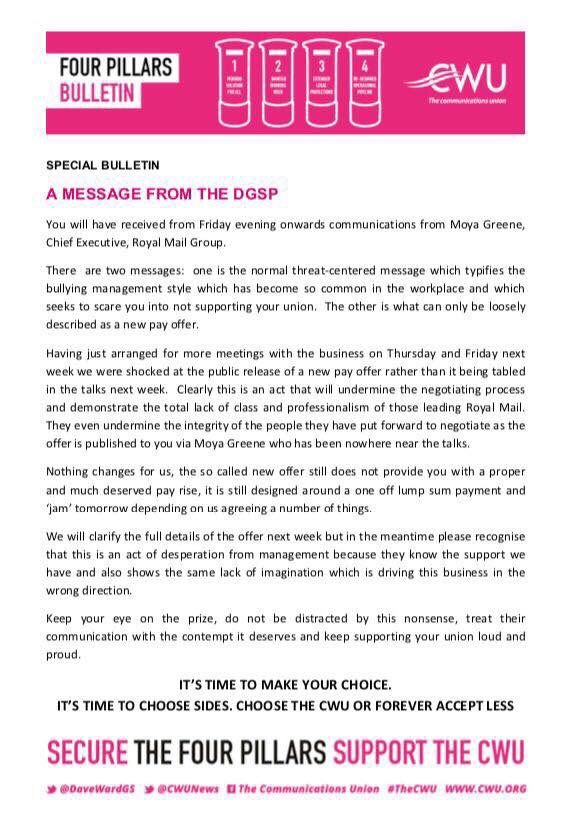
Four Pillars Special Bulletin: A message from Terry Pullinger

PLEASE GET THIS OUT TO YOUR MEMBERS AS A MATTER OF URGENCY

SPECIAL BULLETIN​

A MESSAGE FROM THE DGSP

You will have received from Friday evening onwards communications from Moya Greene, Chief Executive, Royal Mail Group.

There are two messages: one is the normal threat-centered message which typifies the bullying management style which has become so common in the workplace and which seeks to scare you into not supporting your union. The other is what can only be loosely described as a new pay offer.

Having just arranged for more meetings with the business on Thursday and Friday next week we were shocked at the public release of a new pay offer rather than it being tabled in the talks next week. Clearly this is an act that will undermine the negotiating process and demonstrate the total lack of class and professionalism of those leading Royal Mail. They even undermine the integrity of the people they have put forward to negotiate as the offer is published to you via Moya Greene who has been nowhere near the talks.

Nothing changes for us, the so called new offer still does not provide you with a proper and much deserved pay rise, it is still designed around a one off lump sum payment and ‘jam’ tomorrow depending on us agreeing a number of things.

We will clarify the full details of the offer next week but in the meantime please recognise that this is an act of desperation from management because they know the support we have and also shows the same lack of imagination which is driving this business in the wrong direction.

Keep your eye on the prize, do not be distracted by this nonsense, treat their communication with the contempt it deserves and keep supporting your union loud and proud.

IT’S TIME TO MAKE YOUR CHOICE.

IT’S TIME TO CHOOSE SIDES. CHOOSE THE CWU OR FOREVER ACCEPT LESS

Work Place Coach Agreement  

Work Place Coach Agreement


Dear Colleagues,


Over the past couple of months the Outdoor Department has received numerous enquiries from Branches along with examples of where Royal Mail managers in some localities are attempting to give Workplace Coaches (WPC) extra tasks to perform; tasks that have not been agreed and are outside of those that are agreed and contained within the relevant National Agreement.


In receiving these examples from Branches we have contacted the senior relevant National management within Royal Mail and expressed our concern and dissatisfaction to them, also along with the evidence we have received from different parts of the country which has clearly demonstrated that local Royal Mail management have attempted to pass on un-agreed and in some cases managerial tasks for WPC’s to perform.


Royal Mail senior management in these instances has acted upon this information and has ensured that these un-agreed tasks have been removed. Unfortunately following this approach by ourselves at a National level, we have found ourselves once again having to contact Royal Mail, again presenting them with further evidence that un-agreed tasks were still being given to WPC’s, whilst also reiterating our concern and anger at this.


Accordingly therefore, we feel that it is necessary to issue our own advice along with recirculating the current National Workplace Coach agreement.  We would therefore request that Branches provide their local representatives with the National agreement and also ensure that any discussions that take place between themselves and the office Workplace Coach/s fully ensures that the tasks they are carrying out are those that are agreed and in line with the National agreement, and contained within the WPC training materials that have also been discussed and agreed nationally. However if this is not the case and the National agreement is not being adhered to, can Branches please ensure that these are progressed through the IR framework.


Any queries to the content of the above please contact the Outdoor Department reference 230, email address: outdoorsecretary@cwu.org.


Yours sincerely,


Mark Baulch                                    

CWU Assistant Secretary Outdoor

LTB 487.17 – Work Place Coach Agreement

14LTB496a

National Agreement Workplace Coach Programme for Delivery and Collection 2014

Appendix 1 Workplace Coach Delivery and Collection Guide 

Manpower – Agency Campaign – Close the Gap!

Manpower – Agency Campaign – Close the Gap!

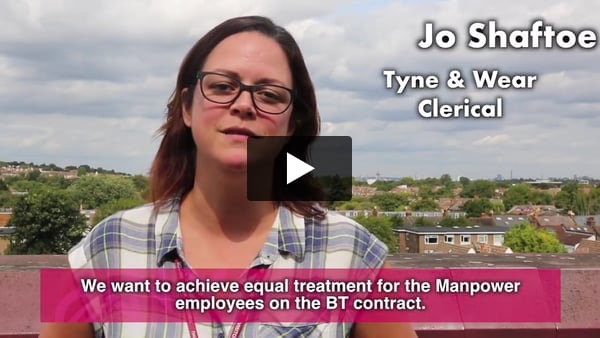
AT this year’s T&FS conference Motion 61 was carried that instructed the TFSE to mount a campaign to eradicate the low pay rates of our Manpower members working on the BT contract and to ensure at the very minimum that they are paid the Real Living Wage. The motion further requires a report back to branches by September 2017.

Since then representation has been made to Manpower whereby they stated that they are not in a position to apply a blanket increase to align to the Real Living Wage. A separate meeting was held with BT on the 26 July where they were clear that it was Manpower that set their own pay rates for their employees and denied having any control or overall authority on this matter.

Manpower Branch Forum

On the 24 August a Manpower Branch Forum was held where all key branches with Manpower members were in attendance and a full report was given on the representation made so far of our intention to seek authority from the T&Fs to mount a campaign on behalf of our Manpower members to eradicate low pay.

It was the view of the branches that the pay rates of our Manpower members were not acceptable and that a campaign was now required.

There was a real enthusiasm from the representatives to get behind the campaign and to encourage our Manpower members to become directly involved. Most encouragingly there were a number of Manpower members who attended the forum who are directly affected by low pay and are now keen to participate and become active.

Campaign Details

I am therefore pleased to report that at the T&FS meeting held on the 7 September they have now agreed a campaign action plan as follows:

1. NAME – The name of the campaign will be Close the Gap! 2. Aims & Objectives of the Campaign:

To ensure that at the very minimum our Manpower members working on the BT account are paid the Real Living Wage.

To eradicate Pay Between Assignment (PBA) contracts on the BT account.

• Expose the low pay rates of our Manpower members as a consequence of PBA contracts and to secure amendments to the UK Agency Worker Regulations 2010 (AWR) to close current loopholes that enable hirers and employment agencies to use PBA contracts and exploit agency workers.

• Continue to pressurise the hirer (BT) and employment agency (Manpower) on the issue of low pay as a consequence of the use of PBA contracts.

• For branches to engage in national and local campaigning and to encourage Manpower members to become active.

1 A letter has been sent to all Manpower members at their home addresses explaining the aims and objectives of the campaign. A copy of the letter is attached for information.

2 Campaign Pack – a campaign pack is in the process of being prepared, the purpose is to communicate key themes and aims to raise awareness of the issues and to provide key facts and figures for local campaigning and media, as well as to get the wider membership involved.

3 Communication Channels – All channels will be utilised including:

• The Voice – an article is to be prepared for the next issue regarding the launch of thecampaign on the CWU website.

• CWU website – a dedicated Close the Gap! page in the campaigns section of the website

• Social Media – Facebook, Twitter, Instagram, Snapchat

• Video – A launch video is already on the CWU website and on social media. You canwatch the video here:

• been made as a result of the Agency Branch forum and willbe aired shortly.

• A dedicated email address to field any direct enquiries from members etc.agencycampaign@cwu.org

• Leaflets and posters are in the process of being prepared.Branches Need to Get InvolvedThis campaign will take some time to build and to ensure that the branches, Manpower members and wider membership are on board with the aims and objectives and the messages of the Campaign.It will be our intention to update you regularly and details of when the campaign pack will be available will be sent to you shortly, along with information relating to campaigning activity.

Any queries should be addressed to Sally Bridge: sabridge@cwu.org

Yours sincerely


Sally Bridge

Assistant Secretary

492.2017

492(1)

Ernie Orviss debunks Royal Mail propaganda

RMTV are broadcasting propaganda. They are saying vote No in the forthcoming ballot. They are saying there is no fight to pick. They are saying, without naming them, customers will stop using us if we go on strike. They are saying they are committed to negotiating an agreement. THEY ARE NOT TELLING YOU THE TRUTH!

The CWU’s Top Officer’s have spent months of intense talks with Royal Mail’s negotiating team (who have not been the same people throughout) to try to reach an agreement to jointly progress the company on.

Royal Mail’s CEO and top director’s have not been in the room. Instead they have sat in their Ivory Towers manipulating talks from the outside. This is not “being committed to reaching an agreement. The decision makers should be in the room. They are not telling you their pension proposal will mean they will not have to manage your pension for you when you retire but instead write you off the books by forcing you to pay a company to manage your pension in retirement.

They are not telling you they have paid almost 800 million pounds out to shareholders since privatisation, made 400 million pounds by selling London assets in the last couple of months, their pay offer was a £250 one of lump sum payment (equivalent to three pound sixty a week) for this year and the next two years pay rises only if productivity and efficiency is achieved. They are not telling you they want to re-evaluate your agreements and terms and conditions to make them “more affordable”

They are not telling you they want to introduce a two tier workforce where new starters will be on lesser pay and terms and conditions.

Instead they are saying there is no fight to pick.

I make no apologies when I say there is a fight to pick and they have picked it.

Now you have a choice to make.

Either you agree with Royal Mail and bow to their proposals and let them take away all that we and generations of union members before us have fought to acheive.

OR YOU CHOOSE YOUR CWU, BY USING YOUR VOTE TO VOTE YES IN THE FORTHCOMING BALLOT! It is important you use your vote because if you do not vote it will be classified a No vote.

Nobody wants to go on strike. Strikes will damage the company but it is time to stand up and be counted. We have seen how, since privatisation, Royal Mail have had a total disregard for the proud service we have given this country for over 500 years. The way they have cut, cut, cut, sold, sold, sold.

Everything is targeted at profit, productivity and efficiency to feed the pockets of shareholders.

I’m a share holder I hear you think but how much of the 800 million have you received? Exactly, we’re talking the major shareholders. We have seen how they are not resourcing properly, refusing to increase contractual hours despite thousands of hours of overtime being used every week, refusing to fill vacant duties, regular USO failures, bad investments in

technology, money wasted time after time.

DO YOU TRUST THESE PEOPLE?

Whereas the CWU are proud of Royal Mail, proud of the service we’ve provided this country for 500 hundred years, proud of the terms and conditions we have fought to acheive and continue to fight for. We want a single pension solution for all members. We are do not want a two tier workforce.

The CWU want to keep Royal Mail as the prestige company we are, we want to stop the company being being broken up and sold off to the highest bidder. We want to fight to keep our terms and conditions and to build on them and secure future generations of employment. We are doing what is right and you know that. You must support us, you must use your vote, you must Vote YES when your ballot paper arrives at the end of next week.

Royal Mail have made it clear they do not want us to strike. For Royal Mail to allow this to go this far means they are testing your resolve. Historically a high percentage YES VOTE will force Management back into negotiations to prevent industrial action going ahead.

IT’S TIME TO CHOOSE SIDES, CHOOSE THE CWU OR FOREVER REGRET YOU DIDN’T.

VOTE YES IN THE BALLOT.

Ernie Orviss

Eastern No5

Area Processing Rep.

Create a website or blog at WordPress.com

Up ↑